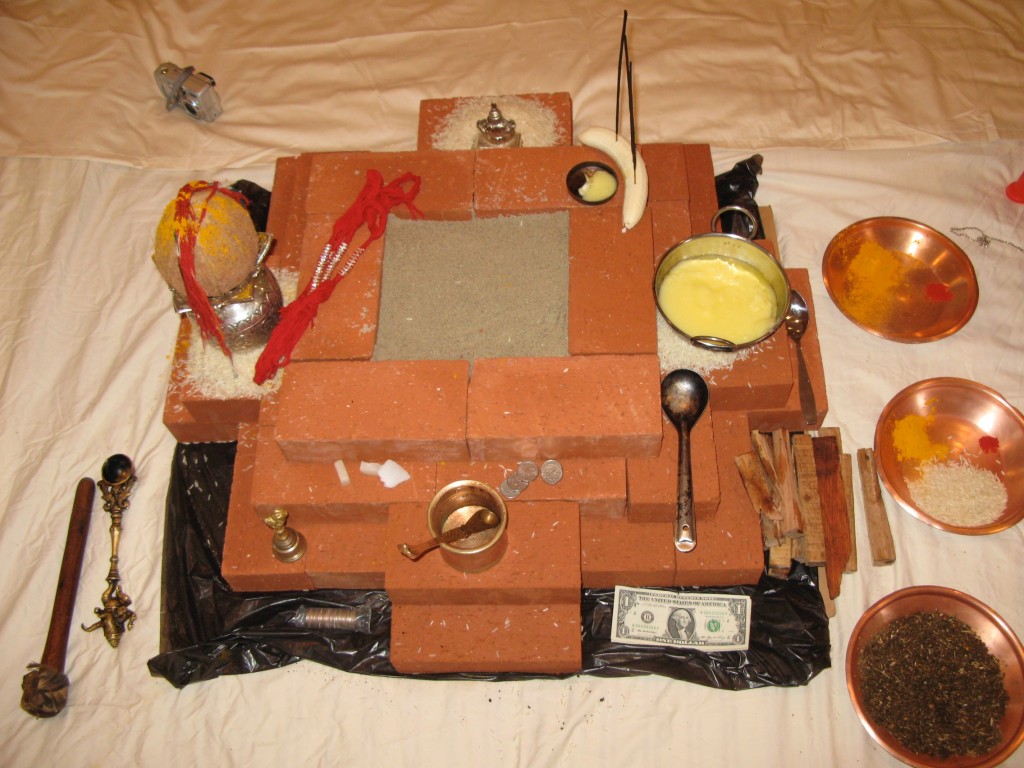
 A havan or homa is similar to a puja in the sense that both are common modes of Hindu worship and both are symbolic forms of communication. The words havan and homa each derive from the Sanskrit root hu, meaning to consume. Generally, the word havan is heard in North India and homa is used in South India, but in either case, the meanings are identical. I will use the word havan, but I could just as easily use the word homa.
A havan is a religious ceremony performed in temples and in homes that involves worship through the use of a sacred fire. The use of fire as a means of worship is the most ancient of all rites, going back to the earliest Vedic times. This fire ritual is described in elaborate detail in the Brahmanas. From the earliest of Vedic times and even to present day, fire (Agni) was viewed as the chief of the Gods. In fact, the first verse of the Rig Veda is addressed to Agni, the fire God. “I praise Agni, the chosen Priest, God, minister of sacrifice… .”
In ancient times the fire sacrifice was an elaborate ceremony that could involve the sacrifice of horses, cows and goats, as well as gold, gems and other precious items into the fire. Today, a havan is a simplified ritual that rarely involves animal sacrifice or the placing of precious items into the fire. Instead, rice or a kind of popery is commonly substituted for these items, but still the basic meaning of the ritual remains. This may sound odd or glib, but an easy way to think of the havanis as a symbolic “postal system.” The fire container is the postbox, fire is the postman, the items placed into the fire are the message and mantra is the means of address. Generally, wood and clarified butter (ghee) are used as the fuel. The fire container, which may be brick or metal, is called a kunda, and when made of brick it is built to specific dimensions and shapes according to the purposes of the ceremony. For home use, generally a small metal havan kunda is used instead of a brick one because of its ease of setup and portability. In a formal situation, a brick kunda will be used. Kundas have different shapes: square, rectangular, round and triangular, but in most cases the square kunda is used.
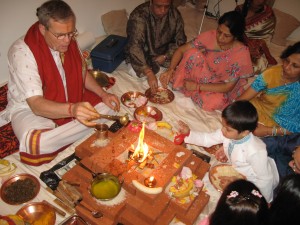 A havan ceremony involves a priest and a host(s) and guests sitting before the kunda while mantras are recited and various items such as ghee, rice, herbs, foodstuffs, and other items are placed into the fire. Through the mantras, fire, is asked to take the prayers and consumed offerings (hence the meaning of hu “to eat”) to the intended Divinity. For example, if one wanted to perform a havan for increased health, one could direct the offerings to the sun Deity, Surya. If one wanted rain, one might direct their prayers and offerings to the rain Deity, Indra. If one wanted to increase luck and general prosperity one could direct Agni to take the offerings to Ganesha and Lakshmi, two Divinities in charge of luck and fortune. In this way, during a havan many Deities may be propitiated with a specific focus on just one or two, depending on the purpose.
Puja and havan can also be combined. In fact, this is most common. For example, a ceremony could begin withpuja to a sacred image of Ganesha and then a puja using a copper pot, coconut and leaves to Varuna and then go on to include a havan directed towards Vishnu, Shiva and Durga Devi. In common speech the complete ceremony would be called a puja, but in fact there are many pujas and many havans all combined into one.
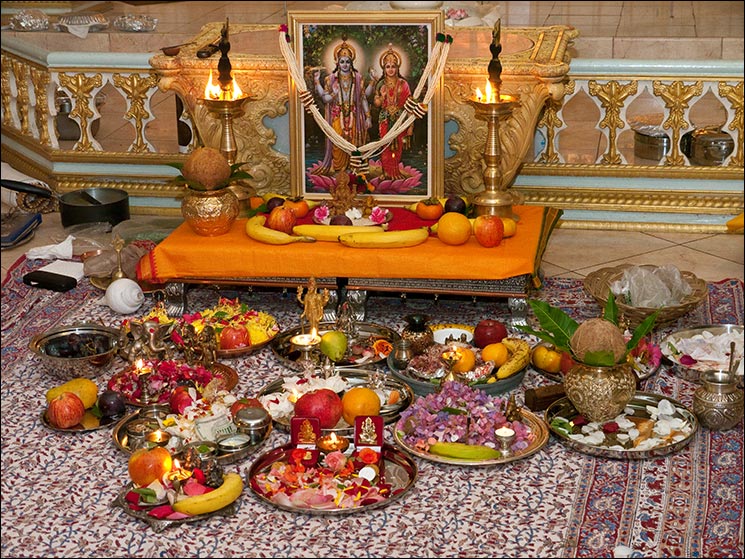
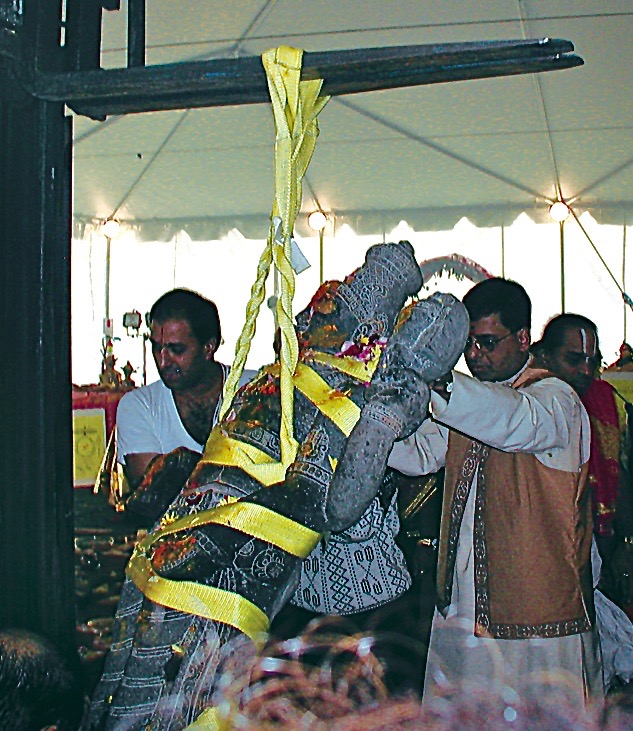
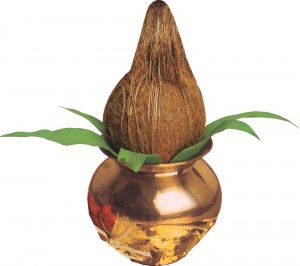 Once a particular Deity was been evoked, puja is simply the receiving and adoration of that God or Goddess as a guest. The Deity is then worshiped in a logical and loving manner as one would treat a human guest. A formal puja usually involves 16 separate offerings made to the Deity, but could also involve as many as 27 items of worship or as few as just a couple of items. These items include welcoming and seating of the Deity; washing the feet, hands and mouth; bathing, dressing, ornamentation of the Deity; feeding and worship with incense, lamps and prayers and finally, sending back or releasing the Deity from the receptacle. In its more simple form, puja may only include incense and a lamp. The process is totally malleable and can easily be adjusted to suit the conditions of the worshipper.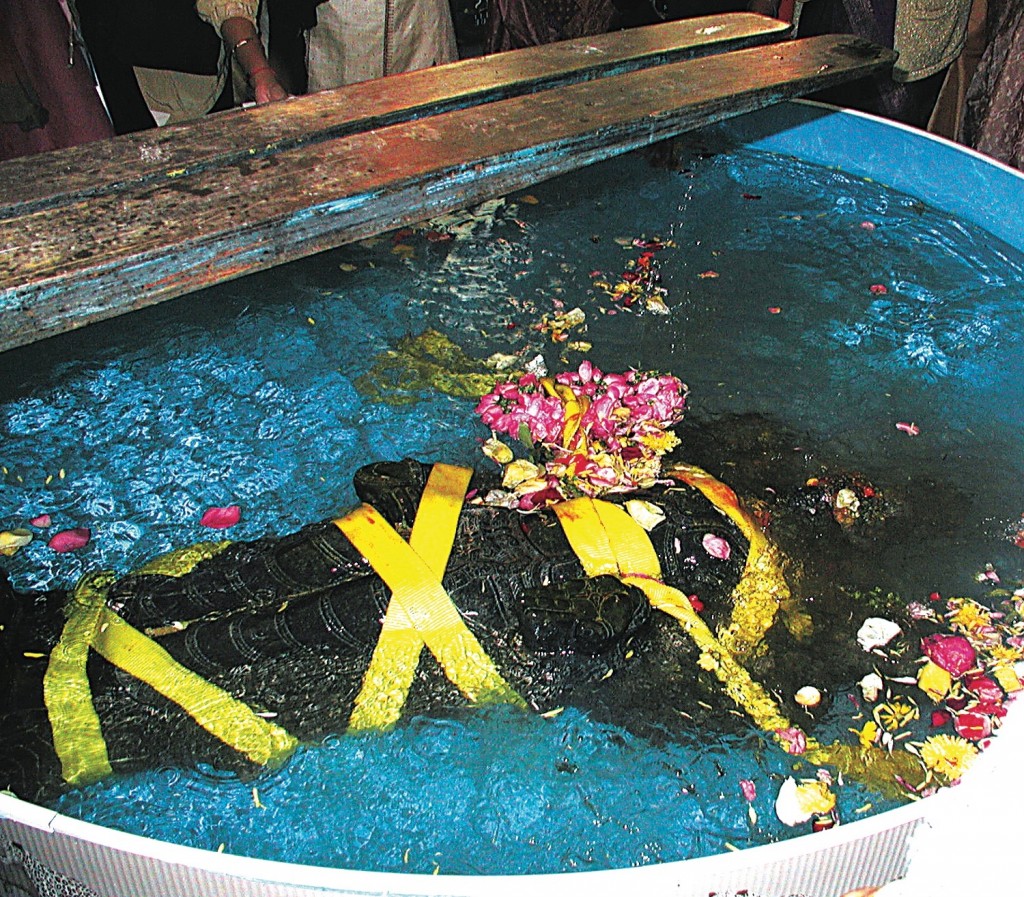
 Karwa Chauth is a “ladies” festival that is especially popular within many of the communities from north India, particularly the Punjabi community. It is a vow to fast undertaken by married ladies, who offer prayers to the Goddess Gauri seeking the welfare, prosperity, and longevity of their husbands and families. The word, “karwa” refers to an earthen pot with a spout, which is seen as a domestic symbol for peace and prosperity. The word “chauth,” means 4th and it refers to the fourth lunar day after the new moon in the month of Karttika (October-November) when the vow is followed.
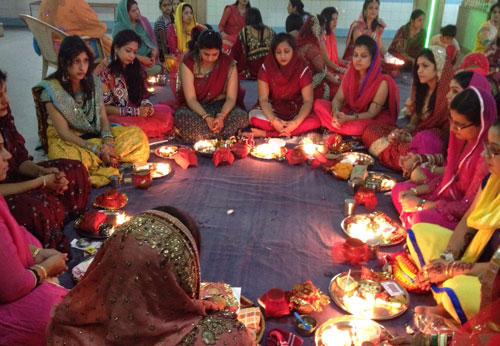
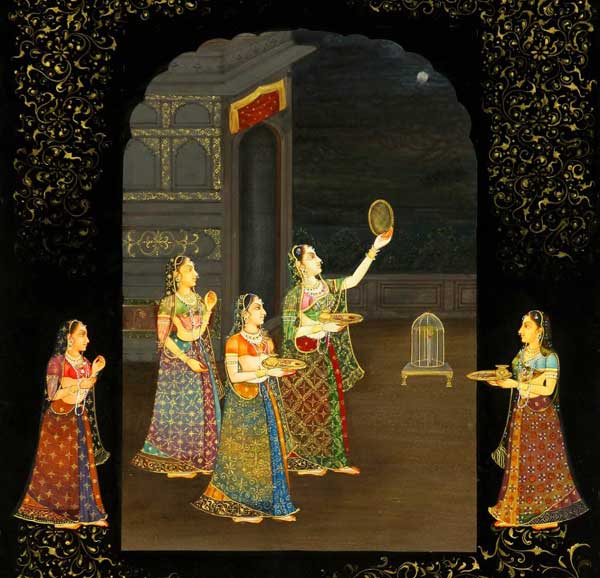 For the rest of the day they will abstain from food including even water. In the later afternoon, a few hours before moonrise, they will dress in their best outfits and jewelry, which may include their wedding outfits, and then get together at a temple or someone’s home for a collective puja. Typically the ladies will sit in a circle and perform a Gauri puja accompanied by a traditional story that describes the origins and benefits of following this fast. During the puja each lady holds a tray that is passed around the circle at different times making a total of seven rounds. These seven rounds match the seven circles that a bride and groom take around the sacred fire during their wedding ceremony. Once the puja is completed the ladies will go outside and wait for the moon to rise. They do not break their fast until they have seen the moon. Interestingly, they never look directly at the moon, but only through a screen like a sieve or at a reflection of the moon in water. After seeing the moon each lady will return home, bow to her husband for a blessing and then eat a simple vegetarian meal. That at least is the tradition.